


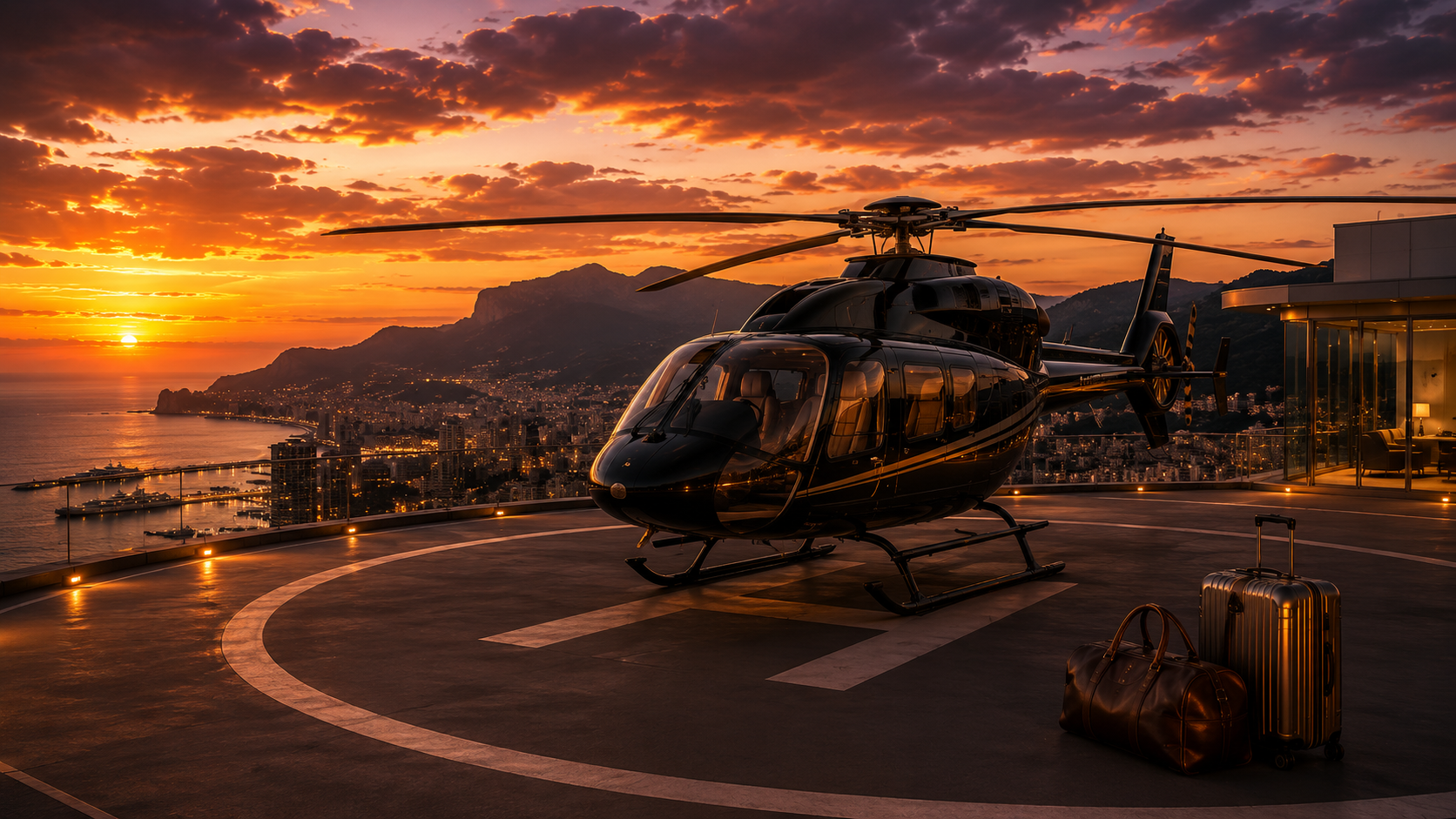
Baggage should be discussed before an aircraft is shortlisted, not after a flight option looks attractive. Capacity is more than a published volume: item dimensions, baggage-door size, cabin layout, passenger count, route and loading limits all matter. Belka Travel Concierge acts as a coordinator and concierge service, helping turn a packing list into useful selection criteria.
Capacity is not simply a number
A stated hold volume does not mean every combination of bags will fit. A rigid case may not pass through the door; long equipment can occupy awkward space; and some areas may be unavailable for passenger luggage. On certain aircraft, baggage storage is limited or cannot be accessed during the flight.
Start by separating cabin essentials, ordinary suitcases, soft bags and unusual items. If the journey also needs door-to-terminal planning, include those requirements when arranging a ground transfer.
Information to provide early
- Passenger count, including children, and bags per traveller.
- Weight, length, width and height of every non-standard item.
- Photos of cases, prams, sports equipment and instruments.
- Whether an item is needed immediately on arrival or can travel separately.
- Route, intermediate stops and likely changes to the party.
Measure rather than estimate. The length of a ski bag, height of a hard case and folded width of a pram can determine whether a particular aircraft works. A late addition can change an otherwise workable proposal.
Skis, prams and awkward shapes
Skis, snowboards, golf clubs, fishing rods, bicycles and folding prams need individual confirmation. Low weight does not make them standard baggage. A soft bag may be easier to load than a hard shell, although protection still needs consideration. For a pram, provide folded dimensions, detachable parts and whether it must be available at the aircraft steps.
For resort or multi-stop itineraries, think through onward transport too. Our article on choosing helicopter or ground transfer is a useful framework for comparing the options.
Weight, balance and loading
Items may fit physically while their total weight or distribution remains unsuitable for the specific flight. Range, fuel planning, weather, airports and passenger load can affect the assessment. Do not assume that unused cabin space permits an extra heavy case or equipment.
Flag heavy pieces separately. Keep documents, medication, electronics, valuables and items required en route distinct from checked baggage, packed so they can be moved or presented easily.
When separate delivery is sensible
Separate delivery can be worth considering for oversized items, equipment needed only later, or bags destined for a different location. It is not an automatic fix: packaging, handover, timing, international formalities and a fallback all need checking. Belka Travel Concierge can coordinate the discussion alongside airport VIP assistance; the practical terms depend on the route and providers involved.
Build a fallback into the plan
Weather, a changed airport, aircraft substitution or a revised passenger list can alter the baggage solution. Carry documents, medicines, electronics, children’s essentials and a change of clothes with you. Decide in advance what can be left behind, redistributed or sent separately. Read our guide to a weather backup plan for a private flight for a structured approach.
Prepare a list with dimensions and photos, then send it with your route and priorities through the Belka Travel Concierge contact page. This makes it possible to assess suitable options from the outset. More planning guidance is available in our articles.