


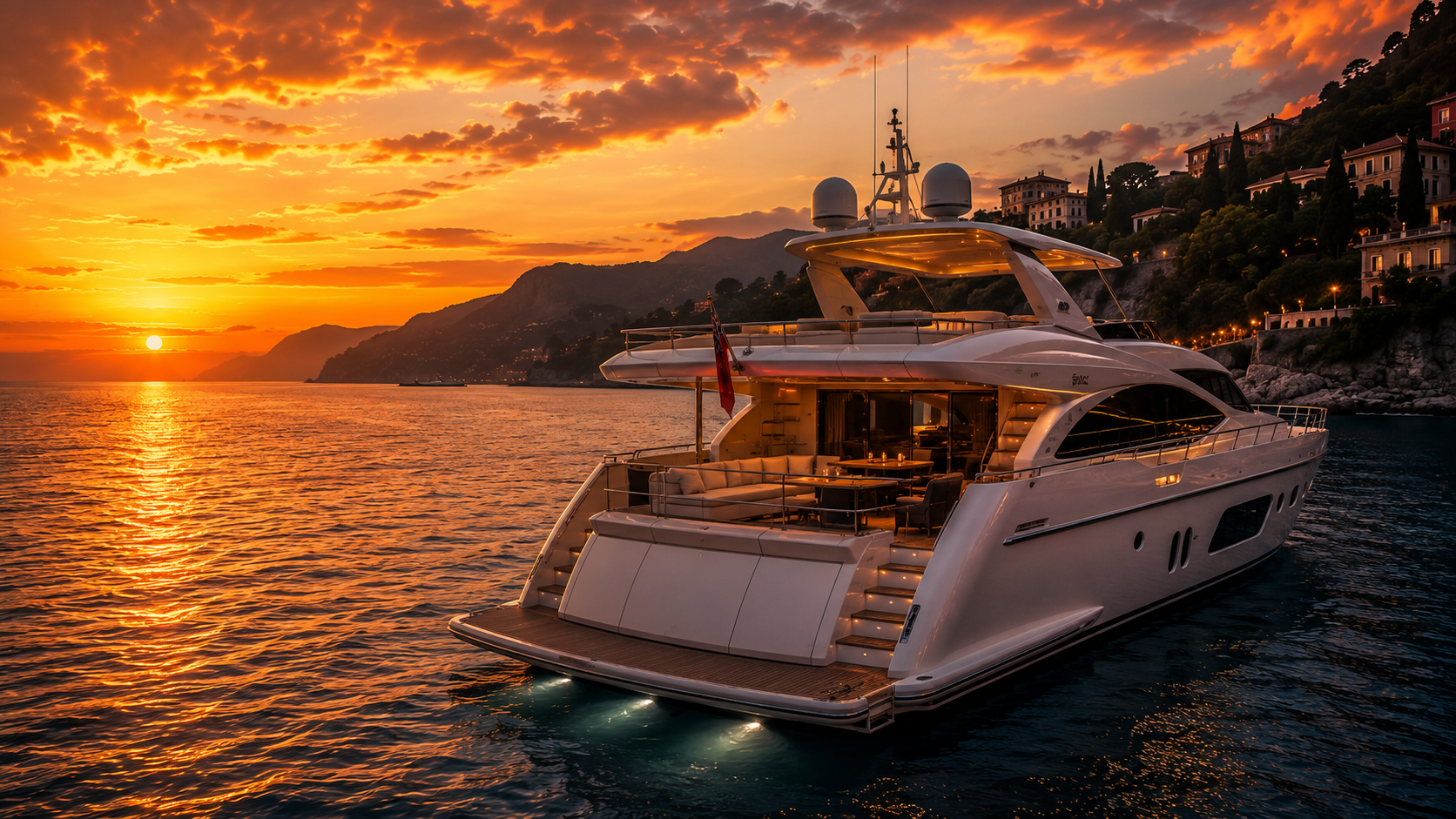
A corporate yacht event is most effective when it is designed as an operationally sound gathering, not simply a scenic cruise. Guest flow, onboard comfort, catering, sound, branding and a weather alternative all need decisions before invitations go out. Belka Travel Concierge acts as a coordinator and concierge service for aligning these moving parts.
Define the purpose before choosing the yacht
Start with the business objective: an executive meeting, client reception, product presentation, team gathering or conference evening. The answer shapes the required privacy, cruise duration, seating, presentation equipment and entertainment. Reviewing yacht charter arrangements can help frame the choices, but the vessel should follow the event brief rather than the other way around.
Capacity is not the same as comfortable attendance
A stated passenger capacity is a maximum limit, not proof that every guest can dine, listen to a speech and circulate comfortably at once. Ask for separate figures for cruising, dockside use, cocktail service and seated dining. Check covered areas, restrooms, shaded deck space, stairs, saloons, storage for equipment and accessibility considerations.
- Use a confirmed-attendance deadline and allow for normal declines.
- Map arrival groups, VIP arrivals and individual mobility needs.
- Allocate space for welcome, coats, service, quiet conversation and photography.
- Keep deck routes clear; décor must never compromise safe movement.
Where guests are coming from several hotels, venues or an airport, coordinated event transfers make embarkation more predictable.
Test catering, bar and music against onboard realities
Menu planning depends on galley facilities, refrigeration, finishing space, serving areas and any conditions for outside caterers. Request clear allergen labelling, non-alcoholic choices and food that works while standing. For longer events, staggered service often feels more relaxed than sending everyone to one buffet at the same moment.
Music and speeches require a technical check: power supply, permitted sound levels, DJ or performer position, wind protection and setup time. Prepare a concise technical sheet listing equipment, power needs, installation timing, contacts and a lower-tech fallback if conditions change.
Keep branding useful and proportionate
Subtle touches tend to suit a yacht: a welcome screen, menu cards, a photo backdrop, discreet flags, throws or take-home gifts. Every attachment, lighting unit and branded installation should be approved in advance by the vessel team. Do not assume that heavy structures, confetti, smoke effects or open flames are acceptable; rules vary by yacht and berth.
For a Riviera programme, local context matters as well. The Monaco destination page is a useful starting point for thinking about port access, meeting points and city traffic.
Make the weather plan part of the run sheet
Agree scenarios for favourable weather, wind, rain, rough water and a decision not to cruise. A practical alternative may be a dockside reception, use of the interior saloon, a shorter route, a shoreside venue or revised boarding times. Name the decision-maker, define how guests will be updated and identify which suppliers can adapt. See the guide to a yacht route, weather and backup plan for a structured approach.
Information to provide to a coordinator
Share the date and time window, port or city, guest count and intended setup, event purpose, budget range, food and beverage requirements, music, visual direction, VIP protocol, mobility needs and communication languages. State the priority clearly: route, privacy, guest capacity, gastronomy or a strong visual setting.
More planning perspectives are available in the Belka Travel Concierge articles. Once your essentials are assembled, send them through the contact page for help shaping a realistic event scenario and a list of items to confirm before guests are invited.